


Lithuania, Latvia and Estonia commemorate the Baltic Way at the National Gandhi Museum in New Delhi
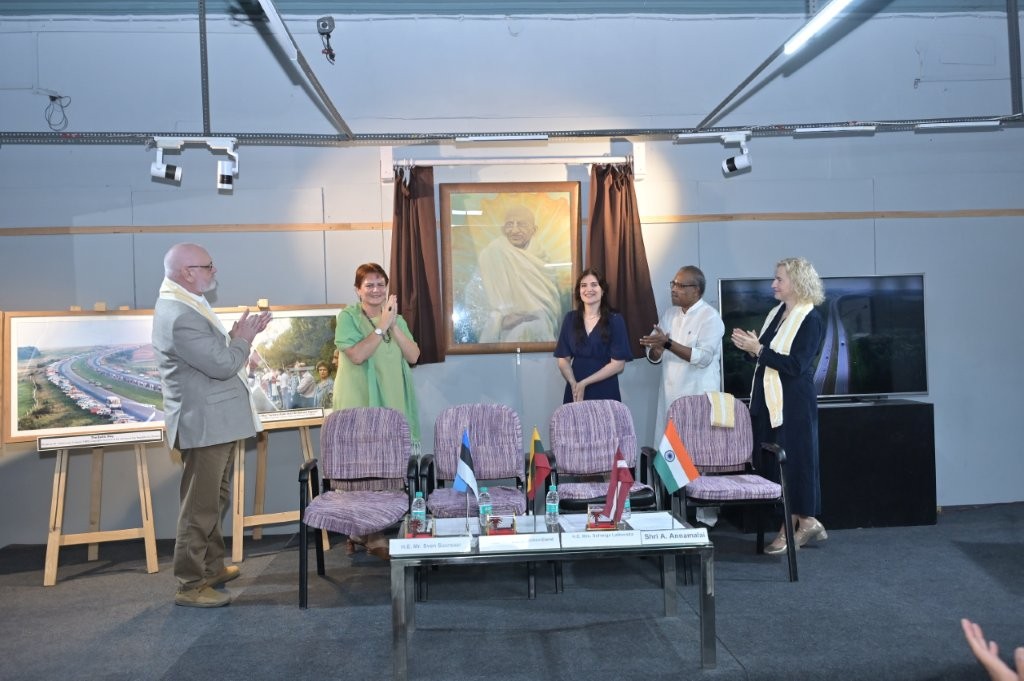
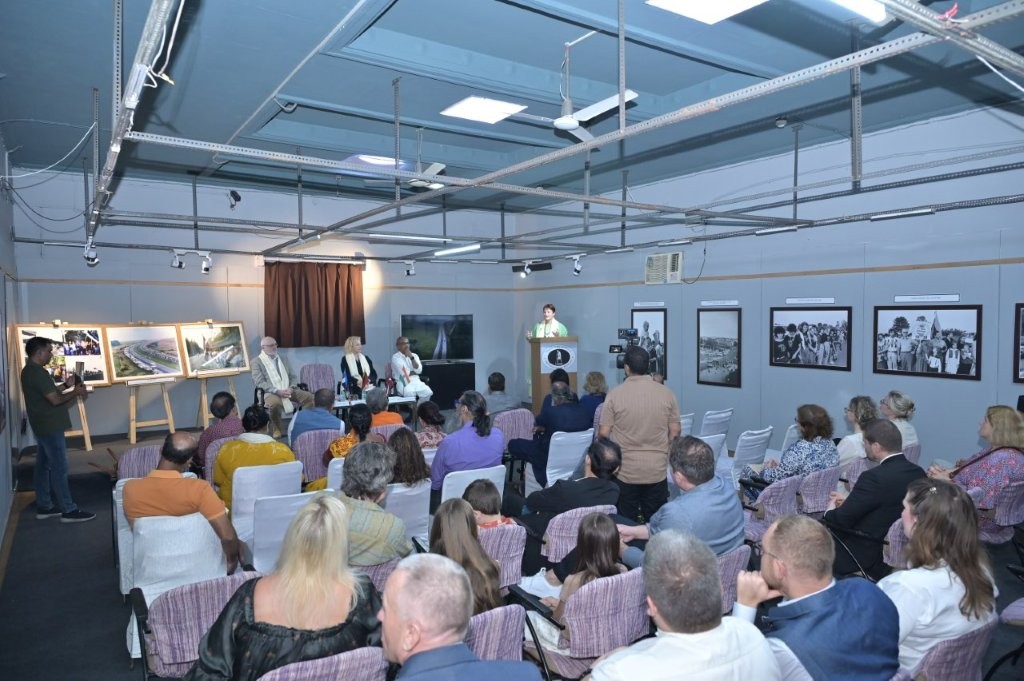
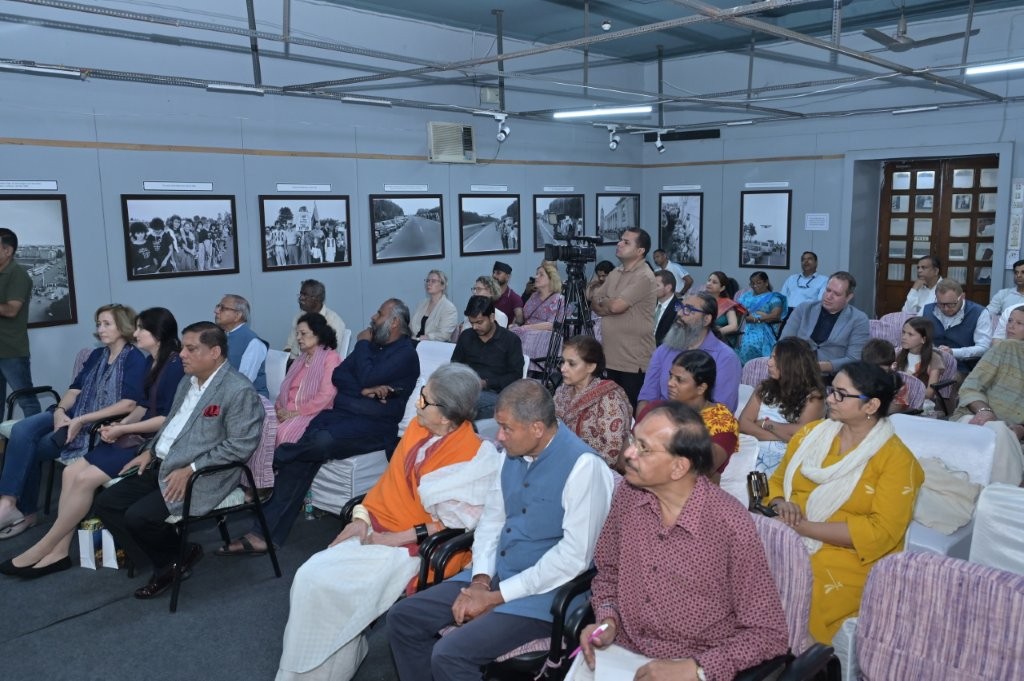
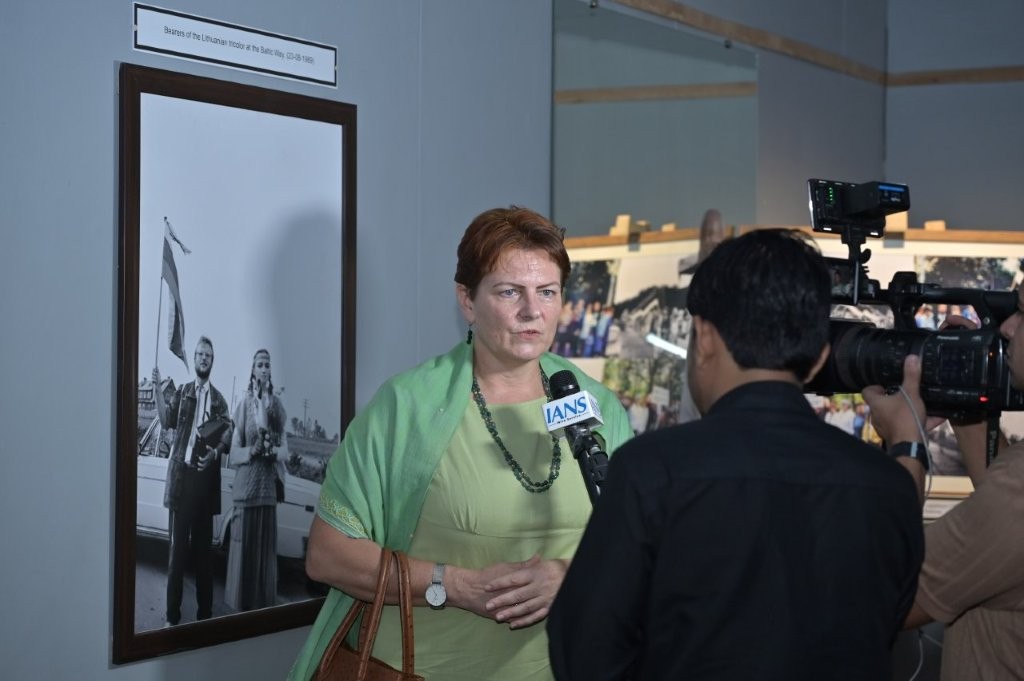
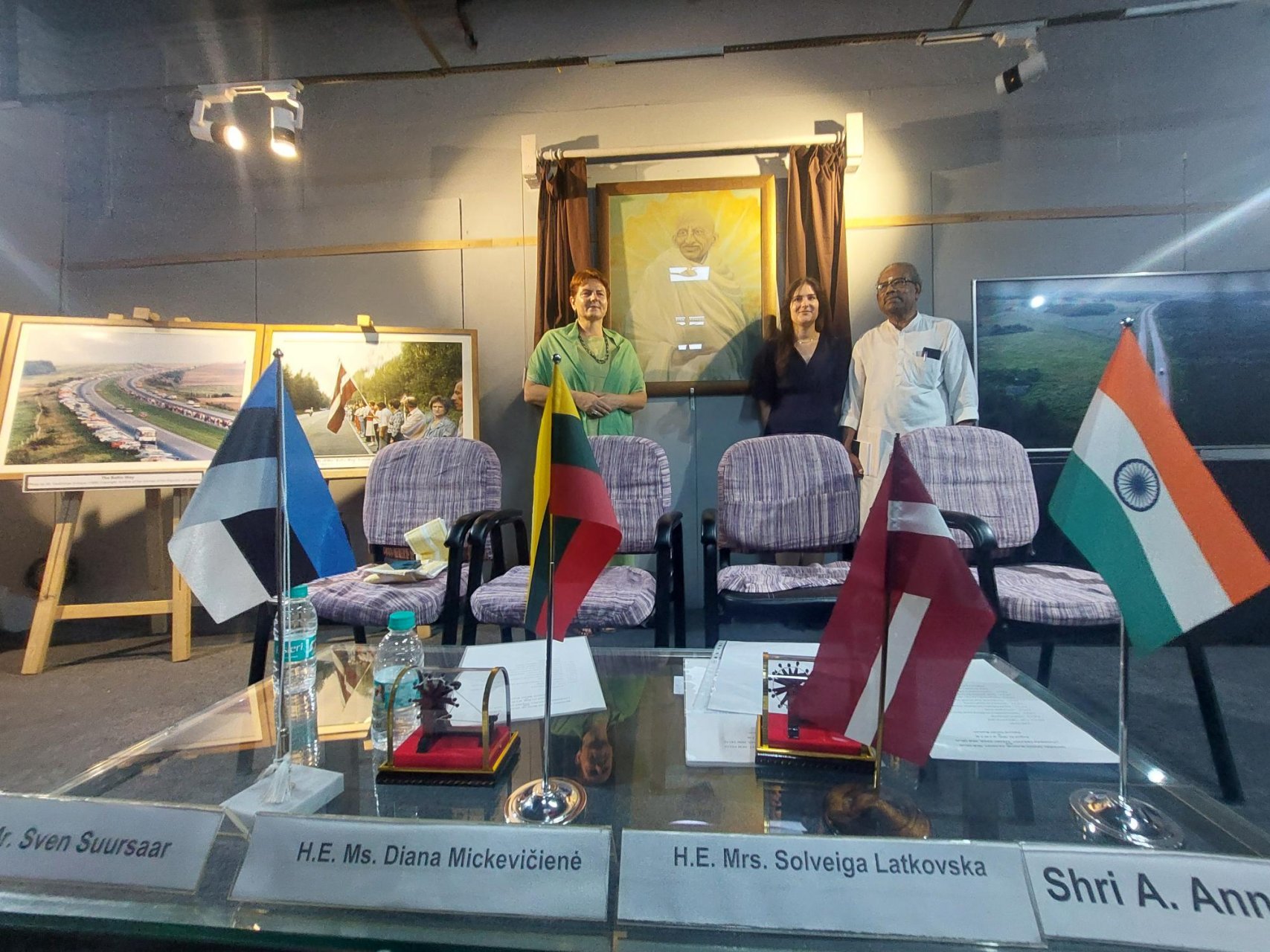
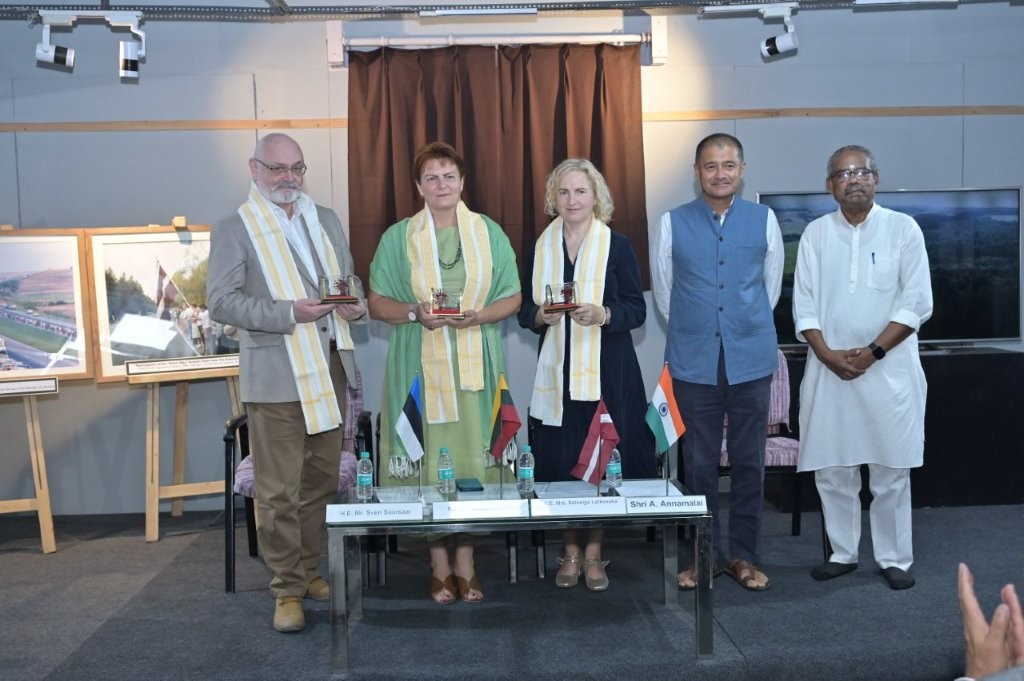
The Embassy of the Republic of Lithuania in New Delhi, in collaboration with the National Gandhi Museum and the Embassies of Estonia and Latvia, commemorated the Baltic Way on 23 August 2026 at the National Gandhi Museum, Rajghat.
The event marked the 37th anniversary of the Baltic Way, when the peaceful human chain formed on 23 August 1989 by approximately two million people across Lithuania, Latvia and Estonia to call for freedom and independence. The Baltic Way has become a powerful symbol of peaceful civic resistance and the determination of people to defend their freedom, and was inscribed in the UNESCO Memory of the World Registry.
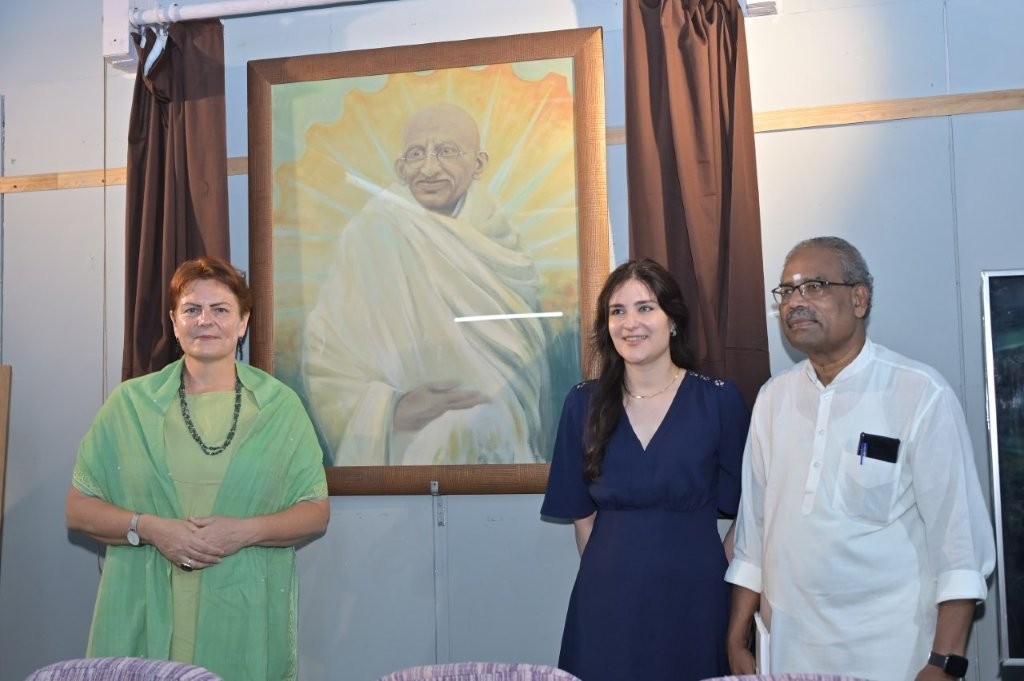
As part of the ceremony, the Embassy of Lithuania gifted a portrait of Mahatma Gandhi by renowned Lithuanian artist Darius Tamkevičius to the National Gandhi Museum. The Embassies of Estonia, Latvia and Lithuania also presented 3 framed historical photographs from each country depicting the Baltic Way of 23 August 1989, highlighting the connection between Gandhi’s philosophy of non-violent resistance and the peaceful struggle for freedom in the Baltic states. Temporary exhibition of photographs from the Baltic way was also displayed at the Museum.
The daughter of the Lithuanian author of the painting of Mahatman Gandhi, Marija Tamkevičiūtė has flown in to Delhi for the occassion, and shared the story of her fathers inspiration for the portrait of the embodiment of the global symbol of nonviolent resistance.
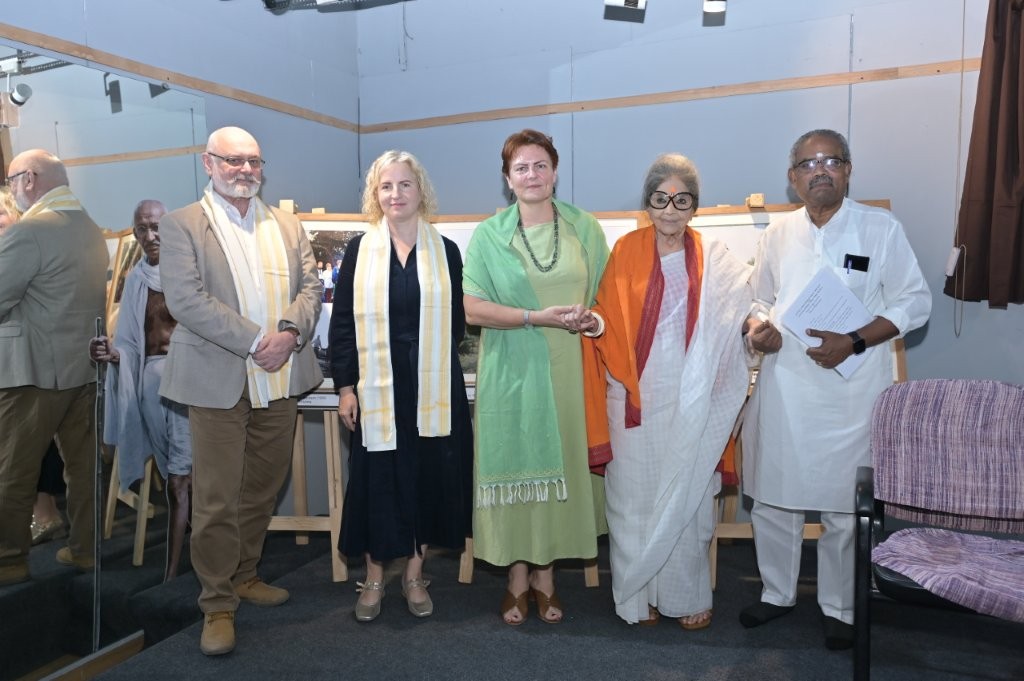
The ceremony brought together representatives of the National Gandhi Museum, the diplomatic community, artists, academics, and friends of Lithuania, Latvia and Estonia. The ceremony was graced by Mrs Tara Gandhi Bhattacharjee, granddaugther of Mahatma Gandhi and the Chairperson of the National Gandhi Museum Trust, and Mr. Vinayak Bhattacharjee, the great grandson of Mahatma Gandhi.
The initiative reflects the long-standing interest in the links between Mahatma Gandhi’s philosophy of peaceful resistance and the Baltic struggle for independence. In 1989, hundreds of thousands of Lithuanians, Latvians and Estonians joined hands in a peaceful human chain stretching approximately 600 kilometers from Vilnius through Riga to Tallinn. The Baltic independence movement, widely known as the Singing Revolution, combined peaceful civic mobilization with the Baltic states’ rich traditions of song and cultural expression.
The National Gandhi Museum has welcomed the initiative and will display the donated works as part of its efforts to present Gandhi’s global influence and legacy.


Social media


